



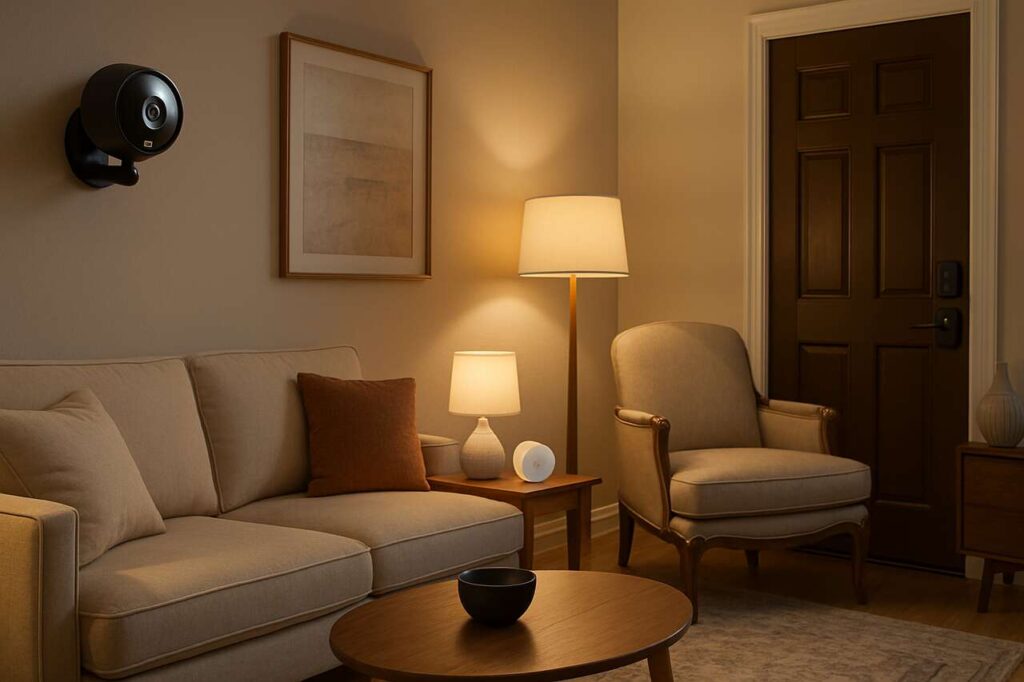
Home security has transformed dramatically with the advent of smart technology. For years, protecting one’s property meant relying on traditional locks, alarm systems and neighbourhood watch schemes. Today, intelligent devices offer unprecedented levels of protection, combining sophisticated sensors, real-time monitoring and remote access capabilities. These innovations have made it possible for homeowners to maintain constant vigilance over their properties, regardless of their physical location. The integration of artificial intelligence and connectivity has created a new paradigm where security systems anticipate threats rather than simply react to them.
The connected home: a revolution for security
Understanding smart home security ecosystems
The concept of the connected home represents a fundamental shift in how we approach domestic security. Unlike traditional systems that operate in isolation, smart security devices communicate with each other, creating an integrated network that responds intelligently to potential threats. This ecosystem typically includes cameras, locks, sensors and control hubs that work in harmony to provide comprehensive protection.
Modern smart security systems offer several distinct advantages:
- Real-time notifications sent directly to mobile devices
- Remote monitoring from anywhere with internet connectivity
- Automated responses to detected threats or unusual activity
- Integration with other smart home devices for enhanced functionality
- Cloud storage for video footage and security logs
The role of artificial intelligence in home protection
Artificial intelligence has become the cornerstone of modern security systems. Machine learning algorithms can distinguish between routine movements and suspicious activity, reducing false alarms whilst maintaining vigilance. These systems learn household patterns over time, becoming increasingly accurate at identifying genuine threats. The technology can recognise faces, detect packages, and even identify specific sounds such as breaking glass or smoke alarms, providing homeowners with contextual information rather than generic alerts.
This intelligent approach to security has fundamentally changed the relationship between homeowners and their protection systems, making advanced surveillance accessible and manageable for everyone.
Smart surveillance cameras: the vigilant eye
Features that define modern security cameras
Smart surveillance cameras have evolved far beyond simple recording devices. Contemporary models incorporate high-definition video capture, night vision capabilities, and wide-angle lenses that eliminate blind spots. The most sophisticated cameras offer pan-tilt-zoom functionality, allowing users to remotely adjust viewing angles and focus on specific areas of interest.
| Feature | Benefit | Typical Specification |
|---|---|---|
| Video Resolution | Clear identification of individuals and details | 1080p to 4K |
| Night Vision | 24-hour monitoring capability | Up to 30 metres range |
| Field of View | Broader coverage area | 110° to 180° |
| Two-Way Audio | Communication with visitors or intruders | Built-in speaker and microphone |
Placement strategies for optimal coverage
The effectiveness of surveillance cameras depends significantly on strategic placement. Entry points such as front and back doors should be prioritised, as these represent the most common access routes for intruders. Additional cameras should cover driveways, gardens, and any secluded areas around the property. Indoor cameras can monitor valuable possessions and provide insight into unexpected events when residents are away.
Understanding camera capabilities and positioning them correctly creates a comprehensive surveillance network that leaves no vulnerable areas exposed.
Electronic locks: the key to the future
How smart locks enhance security
Electronic locks eliminate many vulnerabilities associated with traditional key-based systems. These devices use various authentication methods including keypads, fingerprint scanners, and smartphone connectivity to grant access. The absence of physical keys means no risk of lost or copied keys falling into the wrong hands. Many models maintain detailed logs of who enters and exits the property, providing valuable information for security audits.
Types of smart lock technology
Several authentication methods are available in modern electronic locks:
- Keypad entry: numerical codes that can be easily changed or assigned to different users
- Biometric scanners: fingerprint recognition for personalised access control
- Bluetooth connectivity: automatic unlocking when authorised smartphones approach
- Remote access: ability to lock or unlock doors from anywhere via mobile applications
- Temporary codes: time-limited access for guests, cleaners or delivery personnel
Installation and compatibility considerations
Most smart locks are designed to fit standard door preparations, making installation straightforward for homeowners with basic DIY skills. Compatibility with existing door hardware should be verified before purchase. Battery-powered models offer flexibility in placement but require periodic battery replacement, whilst hardwired options provide continuous operation without maintenance concerns.
The convenience and enhanced security offered by electronic locks make them an essential component of any comprehensive home security system.
Motion detectors: sensors of peace of mind
Technology behind motion detection
Motion detectors use various technologies to identify movement within their coverage areas. Passive infrared sensors detect changes in heat signatures, making them highly effective at identifying human presence. Microwave sensors emit continuous waves and measure reflections, whilst dual-technology sensors combine multiple detection methods to minimise false alarms whilst maintaining sensitivity to genuine threats.
Strategic deployment of motion sensors
Effective motion detection requires thoughtful placement throughout the property. Sensors should be positioned to cover potential entry points and pathways that intruders might use. Corner mounting typically provides optimal coverage, as it allows sensors to monitor multiple directions simultaneously. Outdoor sensors should be weatherproof and calibrated to ignore small animals whilst remaining sensitive to human-sized subjects.
Integration with other security devices amplifies the effectiveness of motion detectors, allowing them to trigger cameras, lights and alarms when movement is detected.
Mobile apps: control at your fingertips
Unified control through smartphone applications
Mobile applications serve as the command centre for smart security systems, consolidating control of multiple devices into a single interface. These apps provide real-time status updates, allow users to view camera feeds, control locks, and adjust sensor settings from anywhere. Push notifications ensure homeowners are immediately informed of any security events, enabling rapid response to potential threats.
Features that enhance usability and security
Modern security apps offer sophisticated functionality beyond basic device control:
- Customisable alert settings to prevent notification fatigue
- Geofencing capabilities that automatically arm systems when residents leave
- Activity timelines showing comprehensive security event histories
- Multi-user access with customisable permission levels
- Integration with voice assistants for hands-free control
The convenience of mobile control has made sophisticated security systems accessible to users of all technical abilities, democratising advanced home protection.
Home security: an investment for peace of mind
Evaluating costs and benefits
Implementing a comprehensive smart security system requires initial investment, but the long-term benefits far outweigh the costs. Beyond the obvious security advantages, these systems can reduce insurance premiums, increase property values, and provide invaluable peace of mind. The modular nature of smart security allows homeowners to start with essential devices and expand their systems gradually as budgets permit.
Choosing the right security solution
Selecting appropriate security devices depends on individual circumstances, property characteristics, and specific security concerns. Researching product reviews, comparing features, and ensuring compatibility between devices helps create an effective integrated system. Professional installation services are available for those who prefer expert setup, though many devices are designed for straightforward self-installation.
Smart home security technology has matured to the point where comprehensive protection is achievable for properties of all sizes and budgets. The combination of surveillance cameras, electronic locks and motion detectors creates multiple layers of defence that work together to identify and respond to threats. Mobile applications provide convenient control and monitoring, ensuring homeowners remain connected to their properties regardless of location. This integrated approach to security represents a significant advancement over traditional systems, offering enhanced protection, convenience and peace of mind that transforms how we safeguard our homes and families.