



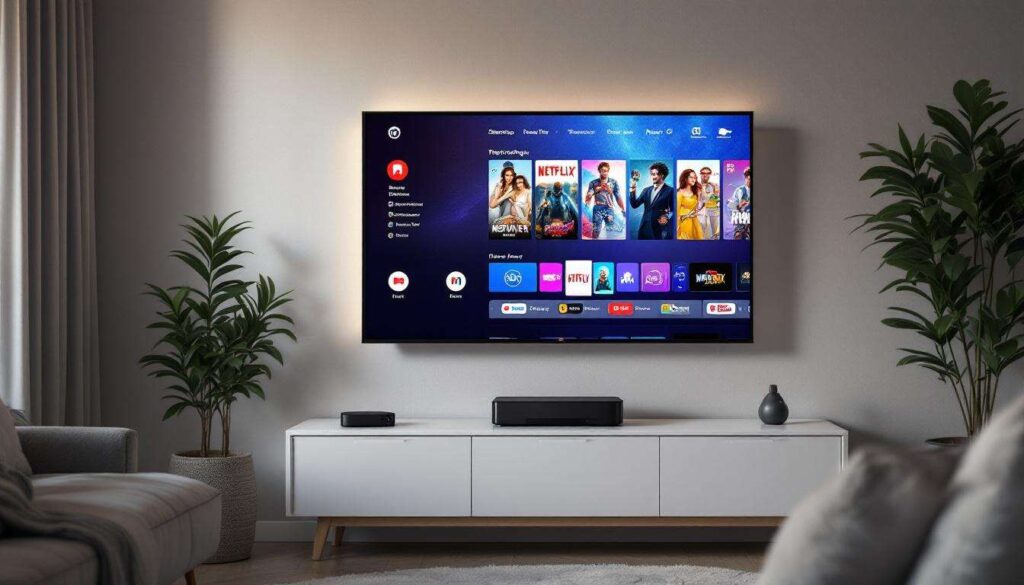
The television landscape has transformed dramatically with the advent of smart TVs, which promise to deliver streaming content directly without the need for additional hardware. Yet streaming devices such as Roku, Amazon Fire TV Stick, Apple TV, and Chromecast continue to sell in their millions. This apparent contradiction raises an intriguing question: if your television already has built-in streaming capabilities, what purpose does a separate streaming device serve ? The answer lies in understanding the nuances of performance, flexibility, and the evolving nature of home entertainment technology.
The popularity of smart TVs
Market dominance and consumer adoption
Smart TVs have become the standard choice for consumers purchasing new television sets. Manufacturers such as Samsung, LG, Sony, and Panasonic now integrate streaming platforms directly into nearly all their models. The convenience of accessing Netflix, BBC iPlayer, Amazon Prime Video, and other services without connecting external devices has proven immensely appealing to the average household.
The all-in-one approach simplifies the setup process considerably. Users can unbox their television, connect it to Wi-Fi, and immediately begin streaming content without navigating complex configurations or purchasing additional equipment. This streamlined experience has contributed significantly to the widespread adoption of smart TV technology across diverse demographics.
Built-in operating systems and app ecosystems
Modern smart TVs operate on various platforms:
- Samsung’s Tizen OS
- LG’s webOS
- Android TV (used by Sony, Philips, and others)
- Roku TV (integrated into TCL and Hisense models)
- Amazon Fire TV (built into select brands)
These operating systems provide access to extensive app libraries, allowing users to download streaming services, games, and utility applications directly onto their television. The integration creates a centralised entertainment hub that eliminates the need for switching between multiple devices or input sources.
Despite these advantages, the smart TV ecosystem presents certain challenges that streaming devices are specifically designed to address.
The usefulness of streaming devices
Enhanced performance and processing power
Streaming devices typically contain dedicated processors optimised specifically for content delivery. Whilst smart TVs must balance resources between display functions and streaming capabilities, external devices focus exclusively on providing smooth, responsive streaming experiences. This specialisation often results in faster app loading times, more fluid navigation, and reduced buffering during playback.
The hardware specifications of streaming devices are frequently updated on annual or bi-annual cycles, whereas televisions are typically replaced every seven to ten years. This disparity means that a streaming device purchased alongside or after a smart TV may offer superior performance compared to the television’s ageing built-in system.
Regular software updates and security patches
One of the most significant advantages of standalone streaming devices is their commitment to ongoing software support. Companies like Roku, Amazon, and Apple regularly release updates that introduce new features, improve performance, and address security vulnerabilities. Smart TV manufacturers, conversely, often provide limited update support, particularly for older models.
This difference becomes particularly relevant as streaming services evolve their platforms and security requirements. A streaming device ensures continued compatibility with the latest versions of applications, whilst older smart TVs may find themselves unable to run updated apps or access certain content.
Understanding these distinctions helps clarify why many consumers opt to supplement their smart TVs with dedicated streaming hardware.
Comparison of features
Interface quality and user experience
The user interface design varies considerably between smart TV platforms and streaming devices. Many users find that dedicated streaming devices offer more intuitive navigation, better search functionality, and more cohesive design language compared to the interfaces built into their televisions.
| Feature | Smart TV | Streaming Device |
|---|---|---|
| Interface responsiveness | Variable, often slower | Generally faster |
| Voice control quality | Manufacturer-dependent | Often more advanced |
| Content recommendation | Limited cross-platform | Aggregated from multiple services |
| Remote control design | Multi-function, complex | Streaming-focused, simplified |
Content accessibility and platform neutrality
Smart TVs occasionally face content availability issues due to disputes between manufacturers and streaming service providers. Certain platforms may be absent from specific smart TV ecosystems, or apps may receive delayed updates compared to other platforms. Streaming devices, particularly those from established providers, typically maintain better relationships with content providers and ensure broader service availability.
The question of platform neutrality also matters to consumers who subscribe to multiple streaming services. A dedicated streaming device often provides a more impartial experience, presenting all services equally rather than promoting a manufacturer’s preferred partners.
These practical considerations lead many users to explore the benefits of using both technologies simultaneously.
Advantages of combining a smart TV and streaming device
Flexibility and redundancy
Utilising both a smart TV and a streaming device creates a backup system that ensures uninterrupted entertainment. If the television’s built-in streaming functions experience technical difficulties, the external device provides an alternative access point. This redundancy proves particularly valuable when specific apps malfunction or when system updates cause temporary compatibility issues.
Optimised performance for specific needs
Different streaming devices excel in particular areas:
- Apple TV offers seamless integration with iOS devices and superior AirPlay functionality
- Nvidia Shield provides exceptional gaming capabilities and upscaling technology
- Chromecast excels at casting content from mobile devices
- Amazon Fire TV Stick integrates deeply with Alexa voice control
By pairing a smart TV with a carefully selected streaming device, users can customise their setup to match their specific entertainment preferences and ecosystem requirements. This combination allows households to leverage the strengths of both technologies whilst mitigating their respective weaknesses.
However, smart TVs themselves possess certain inherent limitations that even the best streaming devices cannot entirely overcome.
The limitations of smart TVs
Obsolescence and diminishing support
The most significant drawback of relying exclusively on smart TV functionality is technological obsolescence. As streaming standards evolve, older televisions struggle to keep pace. Support for new codecs, higher resolution formats, and emerging streaming protocols may be absent from models manufactured just a few years earlier.
Manufacturers typically provide active software support for approximately three to five years after a model’s release. Beyond this period, security updates become infrequent, new apps may not be developed for the platform, and existing applications may cease functioning as streaming services update their backend infrastructure.
Performance degradation over time
Smart TVs often experience declining performance as their software becomes increasingly demanding relative to their fixed hardware capabilities. Applications that once loaded quickly may become sluggish, and the overall system responsiveness can deteriorate. This degradation occurs because streaming services continuously add features and enhance their applications, placing greater demands on the television’s processor and memory.
A £50 streaming device can effectively revitalise a television that cost £1,000 several years earlier, providing modern performance without requiring complete replacement of the display hardware. This economic reality makes streaming devices an attractive solution for extending the functional lifespan of quality televisions.
Looking ahead, the relationship between smart TVs and streaming devices continues to evolve as technology advances.
The future of streaming technology and smart TVs
Emerging standards and integration
The streaming landscape is moving towards higher resolutions, improved audio formats, and more sophisticated content delivery methods. Technologies such as 8K resolution, Dolby Atmos audio, and variable refresh rates for gaming require both hardware capability and software support. Streaming devices can adopt these standards more rapidly than built-in smart TV systems, ensuring compatibility with cutting-edge content.
The development of universal standards such as Matter for smart home integration may eventually create more seamless experiences across devices. However, until such standards achieve widespread adoption, streaming devices will likely maintain their role as flexible intermediaries that bridge compatibility gaps.
The ongoing relevance of dedicated streaming hardware
Despite improvements in smart TV technology, streaming devices retain distinct advantages that ensure their continued relevance. The ability to upgrade streaming capabilities independently of the display hardware provides consumers with flexibility and cost-effectiveness. As long as televisions remain expensive, long-term purchases whilst streaming technology evolves rapidly, a market will exist for affordable devices that bridge this temporal gap.
Smart TVs and streaming devices have evolved from competing technologies into complementary components of modern home entertainment systems. Each serves distinct purposes, and their combination often delivers the optimal viewing experience.
The relationship between smart TVs and streaming devices reflects the broader reality of consumer technology: integrated solutions offer convenience, but specialised devices frequently provide superior performance and flexibility. Whilst smart TVs deliver adequate streaming functionality for many users, dedicated streaming devices offer enhanced performance, extended software support, and greater adaptability to evolving standards. The modest investment in a quality streaming device can significantly enhance and prolong the utility of even the most advanced smart television, making the combination a sensible choice for discerning viewers who prioritise both immediate functionality and long-term value.