


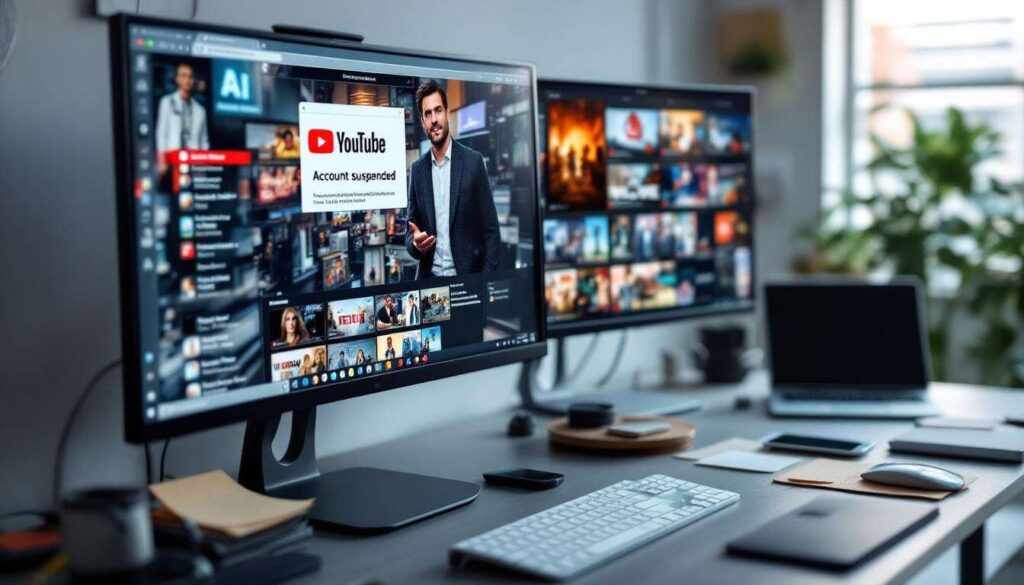
YouTube has taken decisive action against two prominent channels that specialised in creating artificial intelligence-generated film trailers, sparking widespread debate about the boundaries of creative content and platform responsibility. The video-sharing giant’s enforcement of its community guidelines has sent shockwaves through the creator community, particularly those experimenting with emerging AI technologies to produce entertainment content. This move represents one of the most significant interventions by a major platform against AI-generated media, raising questions about authenticity, copyright, and the future of digital content creation.
Background of YouTube’s ban
YouTube’s evolving content policies
YouTube’s platform has continuously adapted its policies to address emerging technologies and content trends. The company’s community guidelines have traditionally focused on preventing harmful content, protecting intellectual property, and maintaining transparency with viewers. However, the rapid advancement of artificial intelligence tools has forced the platform to reconsider how these rules apply to synthetic media.
The ban follows months of internal discussions at YouTube regarding AI-generated content. Platform representatives had previously issued warnings about the need for proper disclosure when uploading synthetic media, particularly content that could mislead viewers about its origins or authenticity.
Timeline of events leading to the ban
The enforcement action came after several key developments:
- Initial complaints from film studios regarding potential copyright infringement
- Viewer reports expressing confusion about the authenticity of the trailers
- Multiple warnings issued to the channels in question
- A comprehensive review of the channels’ content by YouTube’s trust and safety team
- Final decision to remove the channels from the platform
These developments illustrate how platform moderation increasingly grapples with the complexities introduced by AI-generated content, setting the stage for understanding which specific channels faced removal.
The channels involved and their content
Channel profiles and subscriber base
The two channels affected by YouTube’s enforcement action had accumulated substantial followings. Channel A boasted over 2.3 million subscribers, whilst Channel B had amassed approximately 1.8 million followers. Both channels had established themselves as go-to destinations for viewers seeking imaginative reimaginings of classic films and speculative trailers for unmade productions.
| Channel | Subscribers | Total Views | Content Volume |
|---|---|---|---|
| Channel A | 2.3 million | 450 million | 287 videos |
| Channel B | 1.8 million | 380 million | 312 videos |
Types of AI-generated trailers produced
The channels’ content focused primarily on several categories of synthetic trailers:
- Reimagined versions of classic films with contemporary aesthetics
- Fake trailers for sequels to popular franchises that were never produced
- Speculative adaptations of books and video games
- Alternative casting choices for well-known films
- Genre-swapped versions of existing properties
These creators utilised advanced AI video generation tools and deepfake technology to produce remarkably convincing footage that mimicked professional film production quality. The sophistication of their output contributed both to their popularity and to the concerns that ultimately led to their removal, which brings us to examine the broader implications of such content.
The impact of AI-generated trailers
Viewer engagement and viral spread
The AI-generated trailers produced by these channels frequently achieved viral status, accumulating millions of views within days of publication. Their appeal stemmed from the novelty of seeing beloved characters and stories reimagined through cutting-edge technology. Comment sections regularly filled with enthusiastic responses from viewers who appreciated the creative possibilities demonstrated by the content.
However, this popularity came with complications. Many viewers initially believed the trailers represented genuine upcoming productions, leading to disappointment and confusion when they discovered the content was entirely fabricated. This authenticity problem became increasingly problematic as the channels’ reach expanded.
Concerns from the film industry
Major film studios and production companies expressed growing alarm about the proliferation of fake trailers. Their concerns centred on several key issues:
- Potential trademark and copyright violations through unauthorised use of intellectual property
- Confusion among audiences regarding official studio releases
- Possible damage to brand reputation through association with unauthorised content
- The precedent set for future AI-generated content using proprietary characters and settings
These industry concerns played a significant role in YouTube’s decision-making process, though they were not the sole factor in the platform’s ultimate action.
Reasons for YouTube’s action
Violation of platform guidelines
YouTube cited multiple guideline violations in its enforcement action. The primary issues included failure to adequately disclose the synthetic nature of the content, potential copyright infringement, and misleading metadata that suggested the trailers represented official studio releases. The platform’s policies require creators to clearly label altered or synthetic content, particularly when it could mislead viewers about its authenticity.
Transparency and disclosure requirements
YouTube has implemented specific requirements for AI-generated content:
| Requirement | Implementation |
|---|---|
| Clear labelling | On-screen text identifying content as AI-generated |
| Video description disclosure | Explicit statement about synthetic media use |
| Metadata accuracy | Titles must not imply official status |
The banned channels reportedly failed to consistently meet these standards, despite receiving prior warnings. This enforcement demonstrates YouTube’s commitment to maintaining trust between creators and audiences whilst navigating the challenges posed by increasingly sophisticated AI tools.
Consequences for content creators
Immediate effects of the ban
The removal of these channels resulted in the immediate loss of substantial revenue streams for their operators. With millions of subscribers and hundreds of millions of views, both channels generated significant income through advertising revenue, sponsorships, and potential merchandise sales. The creators behind these channels lost not only their primary distribution platform but also years of accumulated content and community engagement.
Broader implications for AI content creators
This enforcement action has created uncertainty throughout the creator community, particularly among those experimenting with AI-generated content. Many creators are now reassessing their approaches to ensure compliance with platform policies. The ban serves as a clear signal that major platforms will enforce transparency requirements, regardless of content popularity or creator influence.
Content creators working with AI tools must now consider:
- Implementing robust disclosure practices from the outset
- Seeking legal guidance regarding intellectual property usage
- Balancing creative expression with platform compliance
- Developing contingency plans for platform policy changes
These considerations reflect the evolving landscape that creators must navigate, whilst the wider community has responded with varied perspectives on YouTube’s decision.
User and community reactions
Support for YouTube’s decision
A significant portion of the YouTube community supported the platform’s enforcement action. These users argued that transparency and honesty must remain fundamental principles of content creation. Supporters emphasised the importance of protecting viewers from misleading content and respecting intellectual property rights. Many commentators praised YouTube for taking decisive action against what they perceived as deceptive practices.
Criticism and concerns about creative freedom
Conversely, numerous creators and viewers criticised the ban as overly restrictive. Critics argued that the channels represented innovative uses of emerging technology and that their content should be protected as transformative creative work. Some commentators expressed concern that aggressive enforcement might stifle experimentation and innovation in digital media creation.
The debate highlighted fundamental tensions between:
- Platform responsibility and creative freedom
- Intellectual property protection and transformative use
- Viewer protection and content diversity
- Corporate interests and independent creators
YouTube’s action against these two prominent channels marks a significant moment in the ongoing negotiation between technological possibility and platform governance. The decision reflects broader challenges facing digital platforms as AI-generated content becomes increasingly sophisticated and prevalent. Whilst the ban addresses immediate concerns about transparency and intellectual property, it also raises important questions about how platforms will balance innovation, creativity, and responsibility in an era of rapidly advancing artificial intelligence. The resolution of these tensions will likely shape content creation policies across the digital landscape for years to come, affecting creators, platforms, and audiences alike.